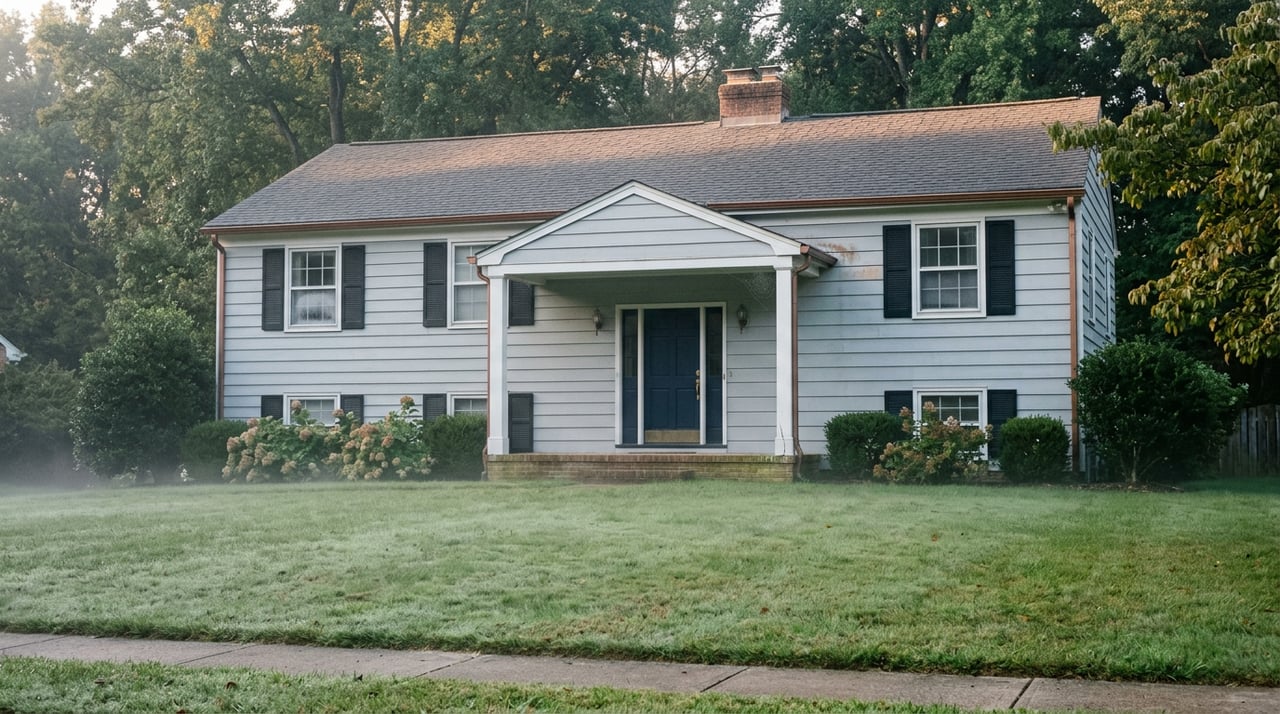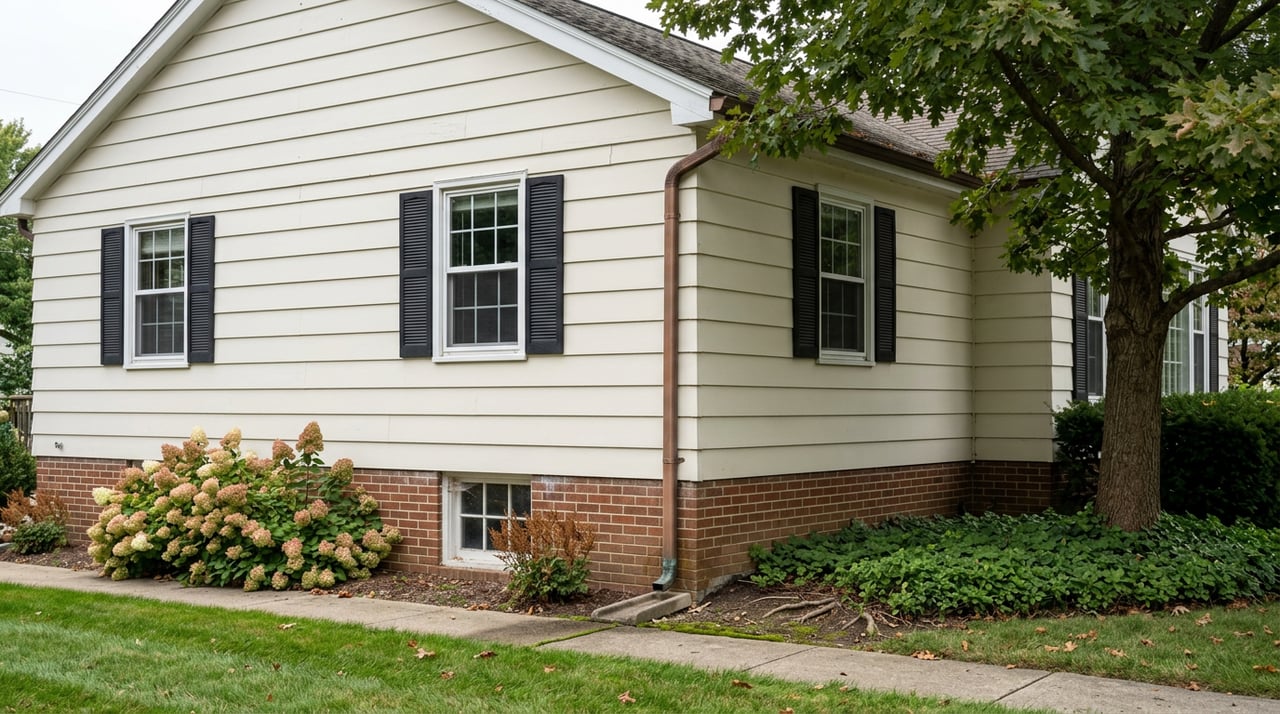
A house in Wilburtha goes under contract on a Tuesday. The seller has already fielded two offers above ask, signed with the stronger buyer, and started packing. Three business days later, right as attorney review wraps up, the buyer's attorney sends a letter. The home inspector found signs of an old oil fill pipe near the driveway. A sweep is being ordered. The seller, who converted to gas heat sometime in the 1980s and never thought about it again, now has a tank somewhere under the yard and a clock that started running the moment that letter arrived.
This is not a rare story in Ewing Township. It is closer to a routine one, and the part that actually derails closings isn't the tank itself. It's the fact that the buyer's contract and the state's remediation process run on two completely different timelines, and almost nobody checks whether those timelines fit together before they sign.
A House Built in 1953 Doesn't Know It's 2026
Ewing's housing stock is old enough that this problem was practically built in. In Wilburtha, the median home was built around 1950. In West Trenton, it's roughly 1953, with most homes dating from the early 1900s through the 1950s. These aren't outliers. After World War II, Ewing Township grew fast, and that growth showed up as entire subdivisions built in a single stretch: Parkway Village, Moss Homes, Wynnewood Manor, and Fleetwood Village went up first, followed by Hampton Hill, Hillwood Manor, Sherbrooke, Hickory Hills, and Village on the Green as the postwar boom continued. By 1960, the township's population had climbed past 26,000.
Every one of those homes was built during the decades when oil heat was the default in New Jersey. Homes built anywhere from the 1940s through the 1980s commonly had 550- to 1,000-gallon tanks buried at construction, and homes from the 1950s through the 1970s often kept a tank underground even after switching to gas, because pulling an old tank out was never required. New Jersey has one of the highest concentrations of residential underground oil tanks in the country, and Ewing's building history puts it right in the middle of that pattern.
None of this means every older Ewing home has a buried tank. It means the odds are high enough that treating the question as an afterthought is a mistake.
Two Clocks, Running at Different Speeds
Here's the part that actually catches people off guard, and it has nothing to do with whether a tank is found. It's about how fast each side of the transaction is required to move.
New Jersey residential contracts include a mandatory three-business-day attorney review period, and once that concludes, buyers typically get another 10 to 14 days to complete inspections, including a specialty oil tank sweep, and present any repair requests. That's the contract clock. It's short by design, because both sides want certainty fast.
The state's process runs on a different schedule entirely. If a tank turns up, a licensed contractor has to pull a permit from the municipality, a certified closure professional has to be on site for the removal, the town has to do its own visual inspection, and the paperwork has to close out the permit before anyone gets a certificate of approval. Under normal conditions, that full sequence takes two to four weeks. If the tank shows any sign of a leak, cracked seams, discolored soil, an oil smell, the process doesn't stop there. Soil samples have to be tested, and if contamination is confirmed, remediation and a formal closure report follow before the state will issue what's called a No Further Action letter.
| Contract Clock | State Clock | |
|---|---|---|
| Attorney review | 3 business days | — |
| Inspection window | 10 to 14 days after review | — |
| Straightforward tank removal | Needs to fit inside the window above | 2 to 4 weeks, permit to closeout |
| Confirmed contamination | Buyer's patience running out | Soil testing, remediation, NFA letter, no fixed end date |
Line those up and the mismatch is obvious. A clean removal can be tight but doable inside a typical inspection window if everyone moves fast. A contaminated one usually can't. That's why, as more than one New Jersey real estate attorney has observed, deals frequently fall apart during attorney review specifically because a seller won't commit to removing a tank on a timeline the buyer can live with.
What the Sweep Actually Finds, and What It Costs
A sweep itself is simple. A licensed inspector runs ground-penetrating radar and a magnetometer across the yard, checks for old fill pipes or capped connections near the house, and delivers a report, often within 24 hours. In Ewing and Trenton specifically, SSG-Barco, Inc. offers this as a standard part of due diligence during real estate transactions, which is worth knowing whether you're the one selling or the one buying.
If nothing turns up, you have your answer and a defensible record for closing. If something does, the next step is removal, and the pricing is fairly consistent across New Jersey contractors: a straightforward removal with no contamination generally runs $1,500 to $4,000, with soil sampling adding roughly $500 on top. If the tank has leaked, the number changes fast. Remediation costs escalate quickly once contaminated soil has to be excavated, tested, and replaced, and can climb into the tens of thousands of dollars depending on how far it spread.
A tank that's never leaked can usually be resolved inside a normal inspection window. A tank that has leaked can take longer to clean up than most mortgage commitments last.
Don't Count on the State to Bail You Out in Time
New Jersey does offer a fund to help homeowners cover the cost of tank removal and remediation. What it doesn't offer is speed. The program has been popular enough that its own review backlog runs into the years, not weeks, which means it is not a realistic source of relief inside a live transaction. If you're counting on state reimbursement to show up before your closing date, you're planning around a timeline that has nothing to do with your contract.
The upside is that not every tank story ends in remediation. A tank that's removed with no evidence of a discharge generally doesn't need an NFA letter at all, because there was nothing to close out. Plenty of Ewing sales involve a tank sweep that comes back clean, or a removal that goes smoothly because the seller got ahead of it. The problem is never the existence of a tank. It's discovering one for the first time after a contract is already signed and a clock is already running.
The Fix Is Boring: Solve It Before You're Under Contract
If you own an older home in Wilburtha, West Trenton, or one of Ewing's other postwar neighborhoods and you're thinking about selling, the single most useful thing you can do is order a sweep before you list. If it's clean, you now have documentation that removes the question entirely, and a documented clean sweep is a point in your favor with buyers, not a liability. If it finds a tank, you get to remove it on your own timeline instead of a buyer's ultimatum, at a lower cost than a rushed removal squeezed into someone else's inspection contingency.
A short sequence that keeps this from becoming a fire drill:
- Before listing, check the basement and yard for old fill pipes, capped lines, or any sign the home was ever heated with oil.
- Order a sweep from a licensed New Jersey contractor while you still control the timeline.
- If a tank turns up, decide whether to remove it now or disclose it clearly and price accordingly. Either is workable. Silence isn't.
- Keep every piece of paperwork, permit, disposal manifest, closure report, together and ready to hand to a buyer's attorney the moment it's requested.
Buyers benefit from the same discipline in reverse. Ask for documentation, not a verbal assurance, and ask for it early enough that your attorney has time to review it before your inspection contingency runs out. New Jersey's mandatory Seller's Property Condition Disclosure Statement requires sellers to disclose a known tank either way, but buyers' lenders often won't approve mortgages without proof of proper closure, so documentation isn't a courtesy. It's usually a requirement for the loan to fund at all.
FAQ
Do I have to remove an underground oil tank before selling a home in New Jersey? No. State law requires disclosure, not removal. In practice, most buyers and their lenders will insist on removal, documentation of a prior proper closure, or an escrow arrangement before they'll close.
How long does removal actually take once a tank is found? Under normal conditions, the permit-to-closeout process runs about two to four weeks. That's workable inside a longer inspection window, but tight if you're trying to fit it into the last few days before a mortgage commitment deadline.
What if the tank was "abandoned in place" years ago instead of removed? Filling a tank with sand or foam instead of pulling it out was once standard practice, but most lenders and buyers no longer accept that as a resolution on its own. If that's what happened on your property, plan on either documenting it thoroughly or budgeting for full removal.
Does every home with an old oil tank have a contamination problem? No. Many tanks come out with no sign of a leak at all, and aboveground tanks are generally lower risk since a leak is more likely to be visible before it becomes a bigger issue. The point of a sweep is finding out which situation you're actually in, early enough that it doesn't matter which one it turns out to be.
Whether you're getting an older Ewing home ready to list or you're under contract on one and want a clear read on what a tank issue would actually mean for your timeline, Christina Winka Homes can walk through the specifics with you before it becomes a deadline problem. Let's Connect.